Gardener Covent Garden: Recycling and Sustainability for an Eco-Friendly Waste Disposal Area
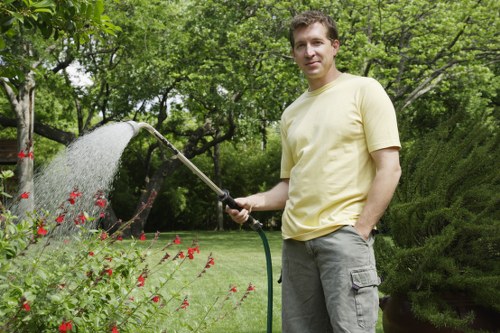 Gardener Covent Garden is committed to creating an eco-friendly waste disposal area and a practical, sustainable rubbish gardening area for the heart of the neighbourhood. Whether you are a Covent Garden gardener, a resident, or a local business, our approach balances vibrant planting with responsible waste management. We focus on reducing landfill, increasing on-site reuse and composting, and ensuring that the green spaces we maintain have a minimal carbon footprint.
Our sustainability plan aligns with local expectations across nearby boroughs. The boroughs bordering Covent Garden typically encourage separation of waste into dry recycling, food waste and residual rubbish, and we mirror that approach in all gardening operations. By adopting these local waste separation routines we reduce contamination, streamline pickups at local transfer stations and boost the volume of materials that can be reprocessed into new products or compost.
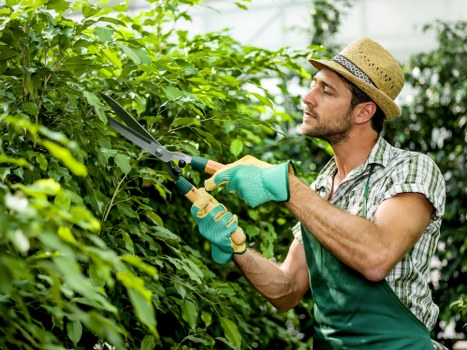 A clear target guides our work: we aim to divert 75% of garden and site waste from landfill by 2028. This recycling percentage target covers compostable green waste, clean soil and stone, pots and planters made from reusable materials, and recyclables from site activities. To reach this milestone we combine better on-site segregation, off-site processing and community partnerships that multiply the positive impact of each garden we care for.
We prioritise local transfer stations and waste depots that specialise in green and construction waste handling. By coordinating with transfer stations serving Westminster and neighbouring Camden, we ensure materials are transported to facilities able to separate, process and recover value from branches, green cuttings and soils. Using nearby transfer stations shortens haul distances and contributes to a lower-emission waste chain for every garden clearance or seasonal tidy.
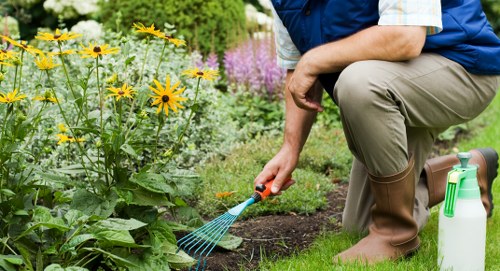 Our fleet strategy is a core part of reducing emissions: a growing number of low-carbon vans and e-transit vehicles are deployed across the Covent Garden area. These low-emission vehicles, supplemented by cargo bikes for short urban hops, mean fewer diesel runs through narrow streets and quieter, cleaner deliveries and collections. The shift to electric and hybrid Gardener Covent Garden transport directly reduces the embodied carbon of routine maintenance and sustainable rubbish gardening area operations.
Partnerships with local charities and social enterprises amplify the benefits of our work. We collaborate with community gardens, food redistribution charities and reuse networks to find second lives for plant pots, tools, soil in good condition and salvageable timber. Where materials are reusable, we prioritise donation over disposal, creating social value while reducing waste. These partnerships are central to our community-led model of sustainable gardening.
Underpinning these actions is a set of practical commitments we apply to every site. They include:
- On-site segregation of green waste, mixed recyclables and residual rubbish;
- Composting of all suitable organic matter in community compost bays or via licensed processors;
- Re-use and donation routes for pots, soil and hardware via local charities and community projects;
- Low-carbon logistics using electric vans and cargo bikes for last-mile collections.
We also use risk-aware soil reuse practices. Clean, uncontaminated soils are reused where possible to refill planters and raised beds, reducing the need for virgin substrate. When soil must be removed, it's transported to accredited depots that can remediate, sieve or recycle it into new growing mediums.
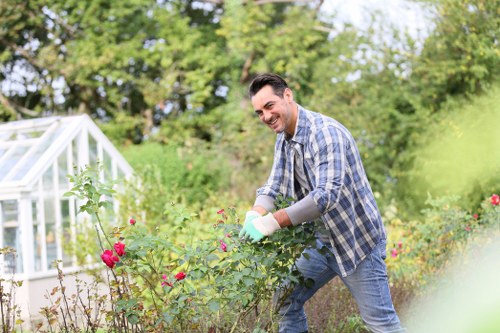 In every operation the Covent Garden gardener role emphasises resource efficiency and waste prevention. That means planning planting schemes to reduce seasonal overhaul, choosing reusable or recyclable planting materials, and training crews in proper segregation to avoid contamination. Gardener, Covent Garden teams routinely audit their waste streams to identify further reductions and report progress against our recycling percentage target.
 We monitor outcomes with clear indicators: tonnage diverted from landfill, percentage of green waste composted, number of donated items to charities, and the share of journeys made with low-carbon vans. Quarterly reviews with local partners, transfer stations and charity networks keep actions aligned and responsive. This collaborative, neighbourhood-centred approach ensures that sustainable rubbish gardening area practices are practical, measurable and visible across public and private green spaces.
Why this matters
Local impact and carbon reduction
Gardening Covent Garden helps keep the neighbourhood attractive while cutting emissions, reducing landfill and supporting local social enterprises. By combining best practice waste separation (consistent with borough standards), smart logistics and strong charity partnerships, we deliver green spaces that are healthy, resilient and sustainable. Our goal: greener, cleaner public and private gardens that contribute to the wider circular economy in central London.Ongoing commitments
We will continue to refine our sustainable rubbish gardening area systems, expand low-emission transport, and increase the share of materials donated or recycled. Regular communication with local authorities, transfer stations and community organisations will ensure our Gardener in Covent Garden programme keeps pace with evolving borough guidelines and technological advances.
Get involved with the neighbourhood approach
Covent Garden gardener initiatives are an invitation to the whole community—residents, businesses and green groups—to support an effective, low-carbon approach to garden waste. Together we can meet our 75% recycling target, help local charities receive useful donations, and maintain an eco-friendly waste disposal area that benefits everyone in this unique part of London.