Sustainable Gardening Ideas With These Three Moveable Garden Techniques
Looking for sustainable gardening ideas that adapt to your space, lifestyle, and environmental needs? Moveable garden techniques might be the game-changer you need. Unlike traditional gardens, these innovative approaches allow flexibility, resource conservation, and the opportunity to garden virtually anywhere. In this article, we'll dive into three creative and eco-friendly moveable gardening techniques, sharing practical tips, benefits, and ideas for beginners and seasoned gardeners alike.
Why Choose Moveable Gardening for Sustainability?
Sustainable gardening means minimizing environmental impact while growing healthy plants. By employing moveable garden methods, you maximize limited spaces, conserve water, reduce waste, and adapt your garden to changing weather or lifestyle needs. Here are a few reasons to make your garden moveable and sustainable:
- Water efficiency: Portable setups often allow for better water retention and allocation.
- Urban adaptability: Perfect for balconies, patios, and small yards where permanent gardening isn't possible.
- Reduced soil depletion: Moveable containers often use fresh, amended soil, minimizing the nutrient loss common in fixed plots.
- Flexibility with sunlight: Easily move plants to optimal positions for sunlight exposure, reducing wasted energy.
- Low-impact experimentation: Try new crops and techniques without disturbing the natural landscape.
Let's explore three innovative moveable gardening techniques that align with *green gardening principles* and empower you to garden sustainably, wherever you are.
1. Container Gardening for Sustainability and Versatility
What Is Container Gardening?
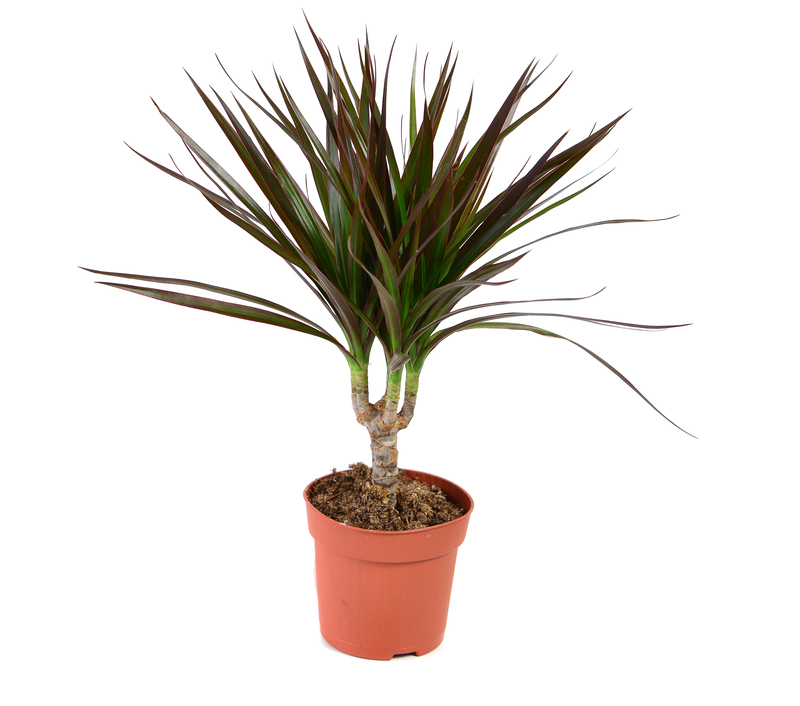
Container gardening is one of the most popular sustainable gardening methods. By growing plants in pots, boxes, or upcycled vessels, you create a garden that's easily relocated and manageable. This technique is especially practical for renters, apartment dwellers, or anyone working with limited ground space.
Eco-Friendly Benefits of Container Gardening
- Water control: Use only what your plants need, reducing runoff and overspray.
- Soil conservation: Customize soil mixes, reducing dependency on chemical fertilizers and pesticides.
- Reuse and recycling: Repurpose old buckets, tubs, or furniture as planters, cutting waste.
- Pest management: Elevate or move plants not impacted by ground-dwelling pests; reduce need for pesticides.
How to Start a Moveable Container Garden
- Select your containers: Choose sturdy, non-toxic materials. Clay pots, repurposed barrels, and fabric grow bags work well.
- Optimize drainage: Drill holes if necessary. Proper drainage is essential for plant health and water management.
- Use sustainable soil: Mix local compost, coconut coir, and organic soil to create a living medium that nurtures your plants and the planet.
- Plan your plantings: Select native, drought-tolerant, or pollinator-friendly varieties for maximum eco-benefit.
- Position strategically: Move containers to catch morning sun or shelter from harsh weather as needed.
Expert tip: Add wheels or use lightweight containers to make moving your garden a breeze!
Sustainable Container Gardening Ideas
- Vertical towers: Stack pots to create living walls for herbs, greens, or strawberries.
- Portable pollinator pots: Grow native flowers in moveable containers to support bees and butterflies.
- Upcycled elegance: Transform vintage suitcases, crates, or even broken appliances into unique planters.
2. Raised Bed Gardens on Wheels: Move Sustainability Where You Need It
The Concept of Wheeled Raised Beds
Looking for mobile, sustainable gardening solutions for larger-scale food production or ornamental gardens? Raised beds on wheels offer the ultimate flexibility and eco-friendliness. These beds are elevated frames, often built of wood or metal, mounted on casters or repurposed from old carts.
Key Sustainable Advantages
- Minimize soil compaction: Raised beds provide loose, nutrient-rich soil with ideal drainage.
- Reduce back strain: Raised beds are accessible for gardeners of all ages, promoting lifelong gardening habits.
- Maximum sun usage: Easily relocate beds to chase the sun through changing seasons, improving plant yield.
- Integrated pest control: Elevating beds deters weeds and many soil pests, reducing chemical dependencies.
How to Build Moveable Raised Beds
- Frame construction: Use reclaimed or FSC-certified lumber for ecological responsibility. Build frames to your preferred size (common dimensions: 3ft x 6ft).
- Add a base and wheels: Attach durable, lockable casters to each corner. For heavier beds, salvage heavy-duty cart or wagon bases.
- Line with organic matter: Fill beds with layers of cardboard, compost, and organic soil for a no-dig, sustainable system.
- Grow diverse crops: Experiment with leafy greens, root veggies, and companion plants.
- Roll into action: Move beds according to sun patterns, accessibility needs, or to protect from storms, frost, or pests.
Green gardening insight: Cover raised beds with shade cloth or row covers for water conservation and to protect seedlings, extending your growing season in any location.
Innovative Raised Bed Gardening Ideas for Sustainability
- Salad bar on wheels: Mix lettuces, arugula, radishes, and edible flowers in one moveable raised bed for easy harvesting and replanting.
- Fruit and vegetable caravan: Use multiple stackable wheeled beds to separate crops and rotate positions, improving soil health and minimizing disease.
- Patio pollinator habitat: Fill a mobile raised bed with milkweed, coneflower, and other nectar plants to create a pollinator-friendly oasis wherever you park it.
3. Pallet Gardens: Upcycling for Portable, Eco-Friendly Planting
What Are Pallet Gardens?
Embrace sustainability by turning discarded shipping pallets into productive, easy-to-move gardens! Pallet gardening is a form of vertical or horizontal planting that is both space-saving and eco-conscious. It breathes new life into materials that would otherwise go to waste.
Sustainability Benefits of Pallet Gardens
- Resource upcycling: Divert pallets from landfills, reducing environmental impact.
- Space efficiency: Vertical and portable - perfect for compact yards, decks, rooftops, or urban settings.
- Soil and water conservation: Roots are contained, and water needs are easy to manage.
- DIY empowerment: Simple to construct, requiring only basic tools and little expense.
How to Create a Moveable Pallet Garden
- Source safe pallets: Ensure pallets are heat-treated (marked 'HT'), not chemically treated.
- Prepare the structure: Sand rough edges to avoid splinters and cover the pallet's back and bottom with landscape fabric or burlap.
- Fill with soil: Fill horizontal spaces with a mix of compost and soil. Seal the bottom if you want to garden vertically.
- Plant sustainably: Herbs, small vegetables, succulents, and flowers thrive in pallet slots.
- Stand, tilt, or lay flat: Move your pallet garden as light or shade demands, or to shelter from extreme weather.
Smart Pallet Garden Ideas
- Kitchen herb wall: Position upright near your kitchen for fresh, convenient herbs all season.
- Succulent showcase: Create a mobile display of drought-tolerant succulents in decorative patterns.
- Safety screen: Use flowering or edible plant-loaded pallets as a privacy barrier or windbreak, then move as needed.
Integrating Sustainability Into Your Mobile Garden Routine
Sustainable Maintenance Practices
- Collect rainwater in portable barrels to water your moveable gardens, reducing municipal water use.
- Use organic mulch in containers and raised beds to reduce evaporation and prevent weeds.
- Compost locally and refresh your garden soil with nutrient-rich, home-generated compost.
- Rotate crops in raised beds and containers for soil health and disease prevention.
- Choose native & climate-appropriate plants for better resilience and lower input needs.
Developing sustainable garden habits with portable systems helps ensure you're minimizing waste, protecting local ecosystems, and growing plants in harmony with the environment.
Community and Educational Opportunities
- Share your moveable garden techniques with neighbors, schools, or urban gardening groups to spread sustainability awareness.
- Host mobile gardening workshops using pallet, container, or rolling raised beds for parties or community events.
- Create a "garden share" by rotating mobile beds or planters among friends or within your local community.

Overcoming Challenges: Making Moveable Gardens Work for You
- Weight management: Use lightweight soil mixes and planters for easier relocation.
- Stability: Secure wheels with brakes and anchor loose structures during high winds or storms.
- Durability: Select weather-resistant, recycled, or sustainably sourced materials for longevity.
- Nutrition: Feed your portable plants with homemade compost tea or organic slow-release fertilizers.
- Accessibility: Adjust heights and handle placements for users of all abilities, facilitating inclusive gardening.
Conclusion: Cultivate Green Living With Moveable Garden Techniques
Incorporating *moveable gardening solutions* into your sustainable gardening journey is both empowering and planet-friendly. From upcycled container gardens to wheeled raised beds and creative pallet projects, these sustainable gardening ideas let you unleash green creativity in any space.
By adapting these moveable garden techniques, you reduce resource waste, support biodiversity, and ensure your plants can thrive through changing conditions. Best of all, you build a resilient, productive, and eco-conscious garden you can enjoy for years to come--no matter where life takes you.
Ready to dig in? Choose the moveable gardening method that fits your space, source your materials sustainably, and start growing today. Sustainable, portable gardening is not just a trend--it's the future of home horticulture!