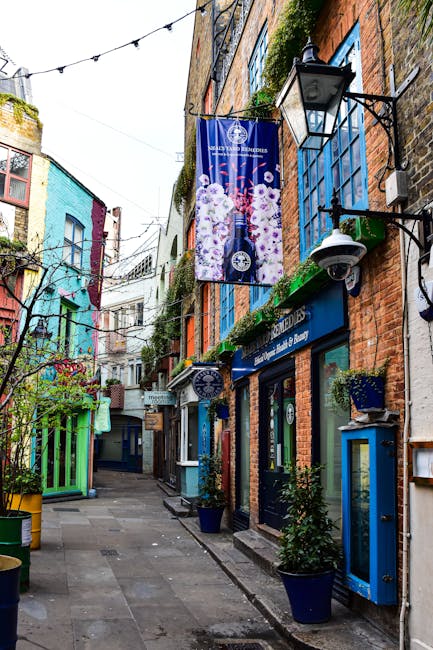
Neal Street garden maintenance Covent Garden insider tips
Neal Street sits in one of those parts of London where a garden has to work hard. Space is tight, foot traffic is constant, and even a small courtyard can collect dust, leaf fall, and the kind of clutter that appears out of nowhere after a windy week. If you are looking for Neal Street garden maintenance Covent Garden insider tips, you are probably not after vague theory. You want the practical stuff: what actually keeps a compact city garden neat, healthy, and presentable without turning maintenance into a second job.
This guide covers exactly that. We will look at how local garden maintenance works in Covent Garden, what makes Neal Street properties a bit different, the mistakes that quietly create bigger problems later, and the most useful ways to keep planting, paving, lawns, hedges, and containers in good shape. If you are comparing help from a professional team, it is also worth exploring the wider services overview and the more routine garden maintenance options available for local homes and businesses.
Quick takeaway: in a dense central-London street like Neal Street, the best maintenance plan is rarely the most dramatic one. It is the one that is regular, tidy, and realistic for the space you actually have.
Table of Contents
- Why Neal Street garden maintenance Covent Garden insider tips Matters
- How Neal Street garden maintenance Covent Garden insider tips Works
- Key Benefits and Practical Advantages
- Who This Is For and When It Makes Sense
- Step-by-Step Guidance
- Expert Tips for Better Results
- Common Mistakes to Avoid
- Tools, Resources and Recommendations
- Law, Compliance, Standards, or Best Practice
- Options, Methods, or Comparison Table
- Case Study or Real-World Example
- Practical Checklist
- Conclusion
- Frequently Asked Questions
Why Neal Street garden maintenance Covent Garden insider tips Matters
Covent Garden gardens and planted spaces are not usually sprawling lawns with acres of breathing room. More often, they are courtyard gardens, roof terraces, narrow side returns, small front plots, planter beds, and decorative spaces that need careful handling. That is exactly why local knowledge matters. A maintenance approach that works in a suburban garden can look a bit clumsy here, and clumsy shows quickly.
On Neal Street, presentation matters almost as much as plant health. You may be maintaining a private garden, a shared space, or a property entrance that needs to look smart every day, not just after a seasonal tidy-up. Dust from traffic, shaded growing conditions between buildings, and irregular watering patterns can all affect how quickly things decline. Truth be told, many city gardens do not fail because of one huge problem; they slide because small issues are left for too long.
That is where the "insider tips" part really comes in. A local maintenance plan should account for limited access, storage constraints, noise awareness, waste removal, and the fact that a small space can look overcrowded very quickly. A trim that is a little too harsh, or a planter that is overfilled, can throw the whole layout off. In a small garden, proportion is everything.
How Neal Street garden maintenance Covent Garden insider tips Works
Good maintenance in this part of London usually works on a rhythm rather than a one-off overhaul. You are balancing cleaning, pruning, watering, weeding, checking plant health, and keeping surfaces safe and tidy. If the garden includes lawned areas, hedges, climbers, containers, trees, decking, or paved sections, each element needs a different pace of attention.
A sensible schedule often includes:
- regular light tidying to stop debris building up
- seasonal pruning and shaping
- planting checks for stress, pests, or poor drainage
- surface cleaning for paths, patios, and decking
- waste removal so the space stays usable
- small repairs before they become expensive
In practical terms, a gardener working in Covent Garden needs to think like a planner, not just a cutter. For example, if a shrub is getting leggy in a shaded spot, the answer may be selective pruning and a plant swap later, rather than simply chopping it down. If a paved area is slippery with algae or shade debris, cleaning is not cosmetic; it is part of keeping the space usable.
If the outdoor space needs more than routine care, consider whether it is time for landscaping support or a broader landscape gardening refresh. Sometimes maintenance uncovers a deeper design issue. That is normal, not a failure.
Key Benefits and Practical Advantages
Well-managed garden maintenance in Neal Street and the wider Covent Garden area brings benefits that are practical before they are aesthetic. Yes, a tidy garden looks better. But the real gain is how much easier the space becomes to live with.
- Better first impressions: neat edges, healthy planting, and clear surfaces make a small outdoor area feel intentional.
- Less long-term damage: early intervention helps prevent plant loss, staining, rot, or pest spread.
- Safer use: cleared paths and stable decking reduce slips and trips.
- More usable space: when clutter is managed, even a compact garden feels bigger.
- Healthier planting: regular care means plants are less likely to become stressed, root-bound, or overcrowded.
- Lower stress for owners or managers: a routine beats the chaos of emergency tidying. Every time.
There is also a financial angle. Regular upkeep usually costs less in the long run than allowing a garden to become heavily overgrown and then paying for a major clearance. If you are trying to plan budgets properly, it helps to review pricing and quotes early, especially if the space includes mixed services rather than a simple one-off visit.
Who This Is For and When It Makes Sense
This kind of maintenance is useful for a fairly wide set of people, but the needs are slightly different depending on the property type. Let's face it, a townhouse courtyard and a business frontage are not asking for the same thing.
Typical users in Neal Street and Covent Garden
- Homeowners with compact gardens or terraces
- Landlords who need a property to present well between lets
- Letting agents and property managers
- Hospitality or retail premises with planted entrances
- Residents' associations managing shared outdoor areas
- Busy households that want the garden to stay neat without weekend catch-up sessions
It makes sense to bring in help when the space starts to look "nearly tidy" but never quite finished. That in-between stage is where many gardens sit for months. You know the one: the pots are fine, but the leaves are piling up; the hedge is not wild, but it is starting to lean into the path; the paving looks okay from the door but messy up close.
If the garden has regular grass cutting needs, a dedicated lawn mowing service may be more efficient than bundling it into a general visit. For thicker growth, boundary plants, or privacy screening, hedge trimming is usually best handled on a schedule rather than waiting until the hedge becomes a small hedge-forest. Which happens faster than you think.
Step-by-Step Guidance
Here is a practical maintenance approach that works well for many Neal Street gardens and similar Covent Garden spaces.
1. Start with a clear space audit
Walk the garden slowly and note what is actually there: planting beds, containers, lawn, vertical climbers, access routes, lighting, storage, and any surfaces that need attention. Small gardens benefit from this kind of honest review because there is no spare room to hide poor structure.
2. Separate the garden into maintenance zones
Group items by task rather than by where they "roughly are." For example:
- soft landscaping: shrubs, borders, climbers, pots
- hard landscaping: paving, steps, walls, decking
- turf or lawn areas
- trees and taller woody growth
- waste, storage, and access areas
This makes the work much easier to schedule. It also stops a maintenance visit from turning into a vague general tidy where nothing gets quite enough attention.
3. Tackle clearance before detail work
If there is a layer of debris, old cuttings, or dead plant material, remove that first. Otherwise you end up pruning neatly into mess, which is a bit like polishing a boot before cleaning the mud off it. For neglected gardens, a targeted garden clearance step can reset the space quickly and make the rest of the maintenance more effective.
4. Prune with proportion in mind
In compact gardens, every cut changes the visual balance. Selective pruning is often better than aggressive reshaping. Aim to let in light, improve airflow, and keep the plant's natural form where possible. Over-pruned shrubs can look stark for months, especially in winter. Not ideal.
5. Check watering and drainage
Covent Garden spaces can dry out unevenly, especially where walls reflect heat or where planters sit in sheltered corners. Check if water is escaping properly from pots, if soil is becoming compacted, and whether irrigation habits actually match the season. A plant that looks "fussy" is often just poorly placed.
6. Clean surfaces and edges
Paths, steps, edges, and decking frames are often what make a garden feel tired. Algae, dust, leaf staining, and moss build up quietly. Small, regular cleaning is far easier than a major rescue job later. If timber surfaces are part of the garden, decking services may be relevant for repairs, treatment, or replacement planning.
7. Finish with a visual reset
Stand back. Seriously. Look from the doorway, the seating area, and the main access point. In a tiny garden, the "view line" matters. A space can be healthy but still feel cluttered if the eye has nowhere clean to rest.
Expert Tips for Better Results
Here are the small things that often make the biggest difference. These are the kinds of details people do not notice when done well, but immediately notice when missed.
- Use layered planting sparingly: one or two strong layers usually work better than cramming in three or four.
- Prioritise texture over quantity: a mix of leaf shapes and heights can make a tiny garden feel richer without overcrowding it.
- Keep one "calm" area: a clear patch of paving or a simple bench view gives the eye a break.
- Trim before bloom overflow: in tight spaces, plants that spill too far can swallow paths and seating areas very fast.
- Choose maintenance-friendly plants: if you do not want constant intervention, choose species that tolerate pruning, shade, and urban conditions.
- Use containers strategically: they are brilliant for flexibility, but only if they are not overpacked or left without drainage checks.
A useful rule of thumb: if a plant or surface looks good only from one angle, it probably needs adjusting. In a garden that is seen from a doorway, a window, and a few steps away, consistency matters more than drama.
One more thing. In busy London gardens, a modest but reliable routine almost always beats heroic catch-up sessions. That sounds obvious, but people still try the heroic version. Usually after three weeks of rain and one very optimistic Saturday morning.
Common Mistakes to Avoid
Most maintenance mistakes in Neal Street-style gardens are not catastrophic. They are just cumulative. And that is the sneaky part.
Cutting too much at once
Heavy pruning can shock shrubs and make a small garden look bare. It can also expose weaknesses that were hidden by foliage. If the plant needs significant reduction, it may be better to phase the work.
Ignoring access and storage
Where will cuttings go? Where will tools be kept? How will waste be removed without tracking debris through the property? In city gardens, these practicalities matter more than most people expect.
Overfilling the space
Too many pots, too many species, too many decorative items. It adds visual noise. Sometimes the best maintenance decision is removing something, not adding more.
Using the wrong plants for shade or dryness
Plant choice is not only a design decision. It is a maintenance decision. A plant that hates dry shade will keep telling you, loudly and repeatedly, that it is unhappy.
Waiting until the job becomes urgent
Once a garden has tipped from "a bit overgrown" to "needs intervention," the work and cost usually rise. Regular visits are easier to budget for and kinder to the planting.
Forgetting the hard surfaces
People often focus on plants and forget the patio, steps, coping, and edging. Yet these are often what make a garden look untidy first. A clean edge can change the whole feel of a space.
Tools, Resources and Recommendations
You do not need a van full of specialist gear to keep a small London garden in good order, but the right tools help a lot. A good maintenance kit usually includes:
- sharp hand pruners
- lightweight loppers for thicker stems
- a sturdy broom or leaf rake
- gloves that actually fit
- a watering can or hose with controlled flow
- spade or hand trowel for border and pot work
- debris bags or bins sized for frequent small clear-ups
For more involved work, a professional team can help coordinate maintenance with wider improvements. If the space needs reshaping, redesign, or better circulation, landscaping may be the right next step. If the garden needs a full reset before routine care can begin, garden clearance often comes first. That order matters more than people think.
It is also sensible to choose providers who are transparent about their approach to insurance and safety, especially where ladders, tools, or awkward access points are involved. For businesses and shared properties, having the paperwork clear can save awkward conversations later. Nobody enjoys chasing missing details after the work is already done.
Law, Compliance, Standards, or Best Practice
For garden maintenance in London, the main thing is to keep work safe, sensible, and respectful of neighbouring properties. Depending on the tasks involved, there may be practical expectations around waste handling, safe tool use, noise awareness, and not causing avoidable nuisance. If trees are involved, it is sensible to be cautious about who does the work and how it is managed, especially for larger cuts or removals.
Best practice generally means:
- checking access and hazards before work starts
- using suitable protective equipment where required
- disposing of green waste responsibly
- avoiding damage to property, boundaries, or shared areas
- keeping clear communication if work affects neighbours or tenants
If your maintenance plan includes tree work, it may be more appropriate to look at tree lopping and removal rather than trying to manage it as routine garden tidy-up. Tree work is a different category, and it should be treated that way.
For environmentally mindful upkeep, it is also worth asking how green waste is handled. The page on recycling and sustainability is a useful reference if you want maintenance that is cleaner and more considered. Not glamorous, perhaps, but very sensible.
Options, Methods, or Comparison Table
Choosing the right maintenance approach usually comes down to how active the garden is, how much time you have, and whether the space is mainly decorative or heavily used. Here is a straightforward comparison.
| Approach | Best for | Pros | Trade-offs |
|---|---|---|---|
| DIY light upkeep | Very small, simple gardens | Cheap, flexible, immediate | Easy to fall behind; limited specialist know-how |
| Scheduled professional maintenance | Busy households, landlords, managed properties | Consistent, tidy, lower stress | Requires planning and budget |
| Seasonal reset plus routine care | Gardens that have become untidy or uneven | Fast recovery, better long-term structure | Initial work can be heavier |
| Maintenance with design improvement | Spaces that look cluttered or poorly arranged | Better layout, easier future upkeep | More involved upfront |
For many Neal Street properties, the best answer is a mix: a seasonal reset, then a manageable routine. It keeps the garden looking sharp without turning every week into a project.
Case Study or Real-World Example
Picture a compact courtyard off Neal Street. It has a few mature pots, a narrow strip of planting, a paved run to the back door, and a small hedge that has gradually thickened more than expected. Nothing dramatic. But over time, dead leaves gather in corners, the hedge starts narrowing the walkway, and the paving loses its clean edge.
In a real maintenance visit, the first job would usually be clearing debris and checking what is actually still worth keeping. The hedge would be thinned and shaped rather than chopped flat. The planting would be lifted, dead stems removed, and the containers checked for drainage. Surfaces would be swept and cleaned. If one corner was becoming a waste trap because of poor access, the layout might be adjusted so the next visit is easier. Simple, but effective.
The result is not a dramatic "before and after" makeover. It is subtler than that. The garden feels easier to use. The view from the kitchen looks calmer. And the owner is no longer quietly apologising for the space when guests arrive. That, to be fair, is often the real win.
Practical Checklist
Use this checklist as a quick monthly or seasonal prompt for Neal Street and wider Covent Garden garden upkeep.
- Have fallen leaves, debris, and dead growth been removed?
- Are paths, steps, and decking clear and safe?
- Do pots have proper drainage and healthy soil levels?
- Have shrubs, hedges, and climbers been lightly shaped?
- Is there any sign of pests, mildew, or stress in the planting?
- Are watering habits still suited to the weather and light conditions?
- Has the garden become visually overcrowded?
- Is waste being removed promptly after maintenance?
- Does the layout still feel practical for how the space is used?
- Would a bigger reset, quote, or service review help this season?
If you find yourself ticking "no" more often than "yes," the garden is telling you something. Usually politely at first. Then less politely.
Conclusion
Neal Street garden maintenance Covent Garden insider tips are really about one thing: making a small, central-London garden work beautifully in real life, not just on paper. The best results come from regular care, careful pruning, smart plant choice, tidy surfaces, and a maintenance rhythm that fits the way the space is actually used.
In Covent Garden, every square metre has to justify itself. A good garden does that by feeling calm, clean, and easy to enjoy. Not overworked. Not crowded. Just right.
If you are ready to improve the way your outdoor space looks and functions, take a moment to review your priorities, compare the options, and choose a maintenance plan that feels sustainable rather than heroic.
Get a free quote today and see how much you can save.
Frequently Asked Questions
What makes garden maintenance on Neal Street different from other London areas?
Neal Street gardens tend to be smaller, more enclosed, and more visible from neighbouring properties or street level. That means maintenance has to be neat, proportionate, and regular. There is usually less room for overgrowth, storage, or noisy catch-up work.
How often should a Covent Garden garden be maintained?
It depends on the space, but many compact urban gardens benefit from light attention every few weeks, with seasonal pruning or reset visits as needed. Busy properties often do better with a set routine rather than occasional large clean-ups.
Is garden clearance always needed before maintenance?
Not always. If the garden is already tidy, routine maintenance may be enough. But if there is a build-up of waste, dead growth, or unmanaged plants, a clearance stage can make the ongoing work far more effective.
Can small gardens still look good with low-maintenance planting?
Absolutely. In fact, that is often the smartest approach. The key is choosing plants that suit shade, dryness, and limited root space, then using a simple structure that is easy to keep under control.
What should I ask before booking maintenance work?
Ask what is included, how waste is handled, whether the team can manage hedges, lawns, or trees, and whether they can advise on any wider improvements. If safety and access are a concern, check those details too.
Do I need hedge trimming as a separate service?
Sometimes, yes. If hedges are a major feature or need careful shaping, a dedicated hedge service can be more efficient than treating them as a minor add-on. It depends on size, density, and how quickly they grow.
What is the best way to keep decking in good condition?
Keep it clear of debris, watch for algae or moisture build-up, and inspect for wear, loosened boards, or finish issues. If the decking needs repair or improvement, it may be worth looking into dedicated decking support rather than simple cleaning.
How do I know whether I need landscaping rather than routine maintenance?
If the garden layout itself is the problem, not just the upkeep, then landscaping may be the better option. Signs include awkward access, poor drainage, tired surfaces, or planting that no longer suits the space.
What is a common mistake people make with city gardens?
Overfilling them. Too many plants, too many pots, too many decorative items. It can make even a healthy garden feel cramped and harder to maintain. Less can honestly be more here.
Are green waste and recycling handled as part of maintenance?
They can be, depending on the service. It is sensible to ask how cuttings and debris are removed, and whether the work follows a more sustainable approach. The recycling and sustainability guidance on the site is a useful place to start.
Should I choose a one-off tidy or an ongoing maintenance plan?
If the garden is already in decent shape, a one-off tidy may be enough. If it keeps slipping back, or if the space is used frequently, ongoing maintenance is usually better value and far less stressful.
How do I get started if I am not sure what the garden needs?
Start with a simple review of the space: what looks healthy, what feels cluttered, what is unsafe, and what is being used regularly. Then compare that list with the available services and request guidance. A good plan usually becomes obvious pretty quickly once the garden is looked at properly.
And if you are still weighing it all up, that is fine. The right maintenance approach usually becomes clearer once someone walks the space and sees how the light, layout, and everyday use all fit together. That first honest look is often the turning point.